
About Kamyar Shah
Business Consultant

Hiring a business consultant is a major decision in any business and shouldn’t be taken lightly. There are many reasons why a business consultant should be deployed including increasing effectiveness and efficiency, independent evaluation of procedures, adding temporary project management capacities as well as facilitating scaling and growth.
I have been a consultant for many years and I offer services like Fractional COO, Fractional CMO, Business Consulting, Management Consulting, Strategy, Operations Management, Business Development, Marketing, Social Media, Public Relations and more.

What We Do
Our Services

Business Consulting
Increase effectiveness and efficiency, independent evaluation of procedures, adding temporary project management capacities.

Management Consulting
Business strategy research and evaluation, strategic decision making support, scaling and growth research and implementation

Strategy

Operations Management
Learn
Improve Your Marketing Strategies

Strategic Marketing Consultation
- Market Research
- Marketing Strategy Development
- Product Launch Strategy

Digital Marketing Services
- Search Engine Optimization (SEO)
- Social Media Marketing
- Email Marketing

Advertising and Media Services
- Media Planning and Buying
- Advertising Campaign Development
Testimonials
What Our Clients Say
Blog
Follow Along

AI as a Service: INTELLIGENCE Methodology
Could AI Transform Your Business? Artificial Intelligence (AI) is a rapidly growing and evolving field. In recent years, we’ve seen generative AI models such as ChatGPT and Midjourney develop from being the stuff of science fiction to becoming tools that everyone,...

Executive Coaching Methodology: SELECT, ADVANCE and GROWTH Your Way to Success
SELECT S: Strategic thinking As an executive, you're responsible for the strategic direction of your organization, which involves creating value for investors, employees, suppliers and other key stakeholders. To create value, you must excel at strategic thinking,...
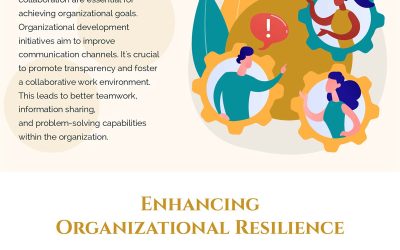
The Importance of Organizational Development
Organizational development (OD) is crucial for successful and growing businesses. It involves implementing strategies and initiatives. A well-crafted organizational development process will enhance the effectiveness, performance, and adaptability of an organization....
On Location Service Area
Tampa Florida, St. Petersburg Florida, Clearwater Florida